Beyond Dashboards: A Strategic Framework for Embedding Real-Time Analytics into Core Investment Decisions
Accio Analytics Inc.
15 min read
Static dashboards are holding your firm back. In fast-moving markets, relying on yesterday’s data means missed opportunities and unmanaged risks. The solution? Real-time analytics that empower investment teams to make decisions based on the latest data, not outdated reports.
Why It Matters:
- For Executives: Real-time insights mean faster decisions, improved returns, and stronger regulatory compliance.
- For Practitioners: Say goodbye to batch processing delays. Live data pipelines and modular architectures deliver instant, actionable insights.
Key Takeaways:
- Real-Time Data Pipelines: Continuous data flow eliminates overnight lags, ensuring accuracy and speed.
- Predictive Analytics: Machine learning uncovers trends and risks before they escalate.
- Modular Systems: API-driven architectures allow you to upgrade incrementally, reducing disruption.
This guide provides the framework to modernize your analytics infrastructure without disrupting operations. Let’s dive into how real-time analytics can transform your decision-making process.
Framework for Embedding Real-Time Analytics
Bringing real-time analytics into investment decision-making demands a clear, methodical approach. The goal is to modernize your analytics infrastructure without disrupting current operations. This framework lays out the steps to move from static reporting to dynamic, actionable insights.
Step 1: Build Reliable Data Foundations
The foundation of any analytics system is trustworthy, clean data. Without it, even the most advanced tools can lead to poor decisions.
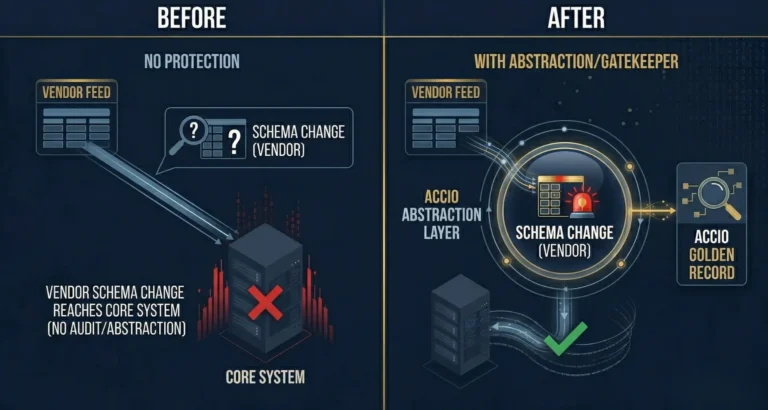
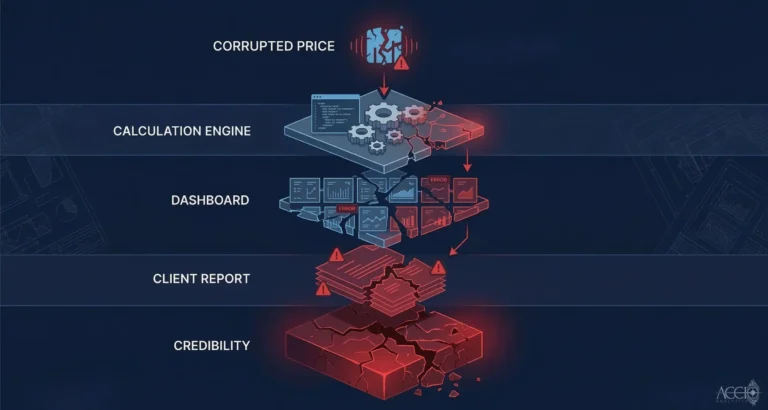
Start with automated, multi-level validation to ensure accuracy and consistency across all data sources. These systems should immediately flag anomalies to prevent errors from spreading. Standardized formats are crucial here – they simplify integration and reduce room for mistakes.
Controlled access is equally important. Your analytics system must have quick access to clean data, but this access should be tightly managed. Implement role-based permissions to ensure teams only access what they need, while sensitive data remains protected. This approach balances efficiency with security.
Transparency is another cornerstone. Plan for audit trail requirements early in the process. Every transformation, calculation, and decision point should be traceable. Not only does this support regulatory compliance, but it also builds trust in your analytics among stakeholders.
Once your data foundation is solid, the next step is creating pipelines that can handle real-time demands.
Step 2: Build Intelligent Data Pipelines
Traditional batch processing can’t keep up with the speed of real-time analytics. That’s where intelligent data pipelines come in – they enable continuous data flow, validation, and processing without delays.
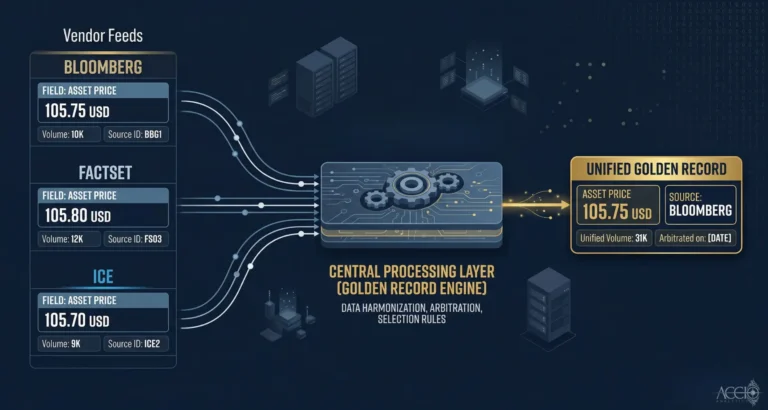
Real-time data ingestion is key. Pipelines should handle multiple data sources simultaneously without bottlenecks, processing everything from market data to transaction records as it arrives. This ensures your analytics are always working with the freshest information.
To maintain data quality, integrate checkpoints that detect and address issues in real time. Problematic data can be flagged and rerouted for manual review while clean data continues to flow uninterrupted.
Automated reconciliation is another game-changer. By synchronizing data sources in real time, discrepancies can be resolved immediately, eliminating the need for end-of-day processes. This keeps your system accurate and up to date.
Scalability is critical for handling peak data loads during market volatility. Design your pipelines with parallel processing capabilities to scale up or down as needed. This ensures smooth performance even when data volumes spike.
These pipelines form the backbone of a flexible, scalable analytics system.
Step 3: Adopt Modular, API-Driven Architectures
To integrate real-time analytics effectively, you need a system that’s flexible enough to work with your existing infrastructure. A modular, API-driven architecture allows you to add new capabilities without overhauling everything.
An API-first, microservices approach is particularly effective. Instead of replacing entire systems, you can enhance them incrementally. Tools like Accio Quantum Core agents, for instance, connect directly to your current setup, adding real-time functionality without major disruptions.
Specialized agents handle specific tasks while working together seamlessly. For example:
- A Transactions Agent processes trades in real time as updated data is received.
- A Returns Agent delivers performance metrics.
- A Security Analytics Agent provides market insights.
Each agent operates independently but communicates through standardized APIs, creating a flexible system that grows with your needs.
This modular approach also allows for staged implementation. Start by addressing your most urgent challenges, then expand capabilities over time. This reduces risk, spreads costs across budget cycles, and allows users to adapt gradually.
Scalability is built into this architecture. Each agent can scale independently, so high transaction volumes won’t slow down risk calculations or other processes. This ensures consistent performance, even during intense market activity.
Finally, centralized governance ensures consistency across all modules. Components like a Global Settings Agent maintain standardization while allowing individual agents the flexibility to adapt to specific tasks. This balance is essential for large-scale implementations.
Core Technologies for Real-Time Analytics
To stay competitive and make faster, smarter investment decisions, asset managers need tools that go beyond static reports. By building on a solid data infrastructure and leveraging advanced technologies, firms can unlock real-time insights that drive better outcomes. Each technology plays a unique role in processing, analyzing, and acting on financial data as it moves through your systems.
Predictive Analytics and Machine Learning
Machine learning is a game-changer when it comes to turning raw market data into actionable insights. These systems excel at spotting patterns that human analysts might overlook and continuously improve by learning from new data.
Take pattern recognition, for example. Machine learning can analyze thousands of variables at once – ranging from market sentiment to economic indicators – and detect trends before they’re widely recognized. By combining historical and live data, it generates signals that help portfolio managers act ahead of the curve.
Risk management also becomes more precise with machine learning. These models can untangle the complex relationships between asset classes, regions, and sectors, recalibrating risk assessments in real-time. This is especially valuable during periods of volatility, where traditional models might lag behind.
When it comes to portfolio optimization, machine learning truly shines. Algorithms can simulate countless portfolio configurations in seconds, testing how different asset allocations might perform under various scenarios. This forward-looking approach enables managers to fine-tune portfolios based on what’s likely to happen, not just what’s already occurred.
The standout feature here is adaptive learning. Unlike traditional models that require manual updates, machine learning systems adjust automatically as they process new information. This ensures accuracy, even when markets are turbulent or undergoing structural changes.
Real-Time Data Pipelines and Auditability
Real-time analytics rely on seamless data flow, and that’s where data pipelines come in. These pipelines ensure that information moves efficiently from source systems to decision-making tools while maintaining transparency for compliance purposes.
One crucial feature is continuous data validation. At every step, from trading platforms to custodian feeds, validation checkpoints verify the accuracy and completeness of the data. If discrepancies arise, they’re flagged immediately, allowing clean data to proceed without delay.
Another critical component is the audit trail. Every transformation and calculation is documented, creating a clear record of how each figure was derived, when it was processed, and the source data used. This makes it easy for regulators to trace any number back to its origin in seconds, eliminating the need for lengthy manual reconciliations.
These pipelines also excel at data lineage tracking, which is vital for both compliance and troubleshooting. By maintaining detailed records of data flows, firms can quickly pinpoint issues and ensure all regulatory requirements are met. Intelligent pipelines even handle anomalies automatically, applying correction rules and reconciling data without the delays of batch processing.
Microservices and Modular Agents
Microservices architecture offers a flexible, modular approach to analytics. Specialized agents handle specific tasks, working together through standardized interfaces. This allows firms to deploy the exact capabilities they need without overhauling their entire system.
For instance, as new data comes in, the Holdings Agent provides real-time position tracking across portfolios and accounts. Instead of relying on overnight batch updates, this agent processes transactions when new data is available, ensuring managers have up-to-date information to make decisions based on current holdings.
Risk Exposure Agents are another example. These agents monitor portfolio risk metrics in real-time, updating calculations as market prices change or new positions are added. The Risk Ex-ante Agent even forecasts potential future exposures based on current holdings and market conditions, while standard risk agents ensure compliance with established limits.
Other agents focus on areas like performance analysis, market insights, and parameter control. Each agent can scale independently, so during high-volume trading periods, transaction processing agents can ramp up without affecting the performance of others. This modularity prevents bottlenecks and keeps analytics running smoothly.
The system’s API-driven communication makes it highly adaptable. Firms can start small, deploying a few critical agents, and gradually expand as needed. Agents can also be deployed across different infrastructure environments while maintaining seamless integration, offering unmatched flexibility for scaling and customization.
Implementation: From Legacy Systems to Real-Time Insights
Shifting to real-time analytics doesn’t mean tossing out your existing systems. Instead, it’s about finding a balanced approach that builds on what you already have while delivering fast results where they matter most.
Gradual Integration with Existing Infrastructure
The smartest transitions start small, focusing on areas where real-time capabilities can make an immediate difference. Instead of ripping out legacy systems, you can use modular integration to add new features through API-driven architecture. This strategy ensures minimal disruption while delivering quick wins.
Take solutions like Accio Quantum Core, for example. They’re built to connect seamlessly with your current systems using standardized interfaces. That means your existing data sources, trading platforms, and reporting tools keep running as usual, even as you add real-time analytics. This step-by-step approach links your traditional systems with modern tools without the chaos of a full-scale overhaul.
Here’s how it works: your legacy systems continue their nightly batch processing for compliance and record-keeping, while real-time agents provide live insights throughout the day. Once you see the value of these initial agents, you can gradually move more processes to real-time. Thanks to microservices architecture, each new agent integrates easily with the others, creating a unified analytics system without requiring major infrastructure changes.
This method not only simplifies the transition but also ensures that your existing investments remain intact. Your legacy systems stay operational while new, real-time capabilities are layered on top.
Overcoming Key Challenges
Moving to real-time analytics isn’t without its hurdles, but these challenges have proven solutions that many U.S. asset management firms have already implemented successfully.
- Data Validation: Legacy batch systems often mask inconsistencies that real-time analytics can’t ignore. Continuous validation within your data pipelines solves this by automatically checking and correcting information as it flows through the system. Exceptions are flagged for human review, ensuring data integrity without slowing things down.
- Regulatory Compliance: For U.S. firms, meeting SEC requirements in a real-time environment can seem daunting. The solution lies in robust documentation processes that operate continuously, ensuring regulatory standards are met without interrupting data flow.
- Model Transparency: When algorithms provide real-time recommendations, portfolio managers and risk officers need to understand the reasoning behind them – especially during volatile markets. Explainable analytics address this by offering confidence scores and highlighting the factors driving each decision, giving human users the context they need to act confidently.
- Performance Under Pressure: High-volume trading periods often raise concerns about system latency. With a microservices architecture, this isn’t an issue. Individual components, like transaction processing agents, can scale independently during busy times, ensuring smooth operations across the system.
- User Adoption: Real-time systems require training, but starting with familiar interfaces can ease the transition. Displaying live data in formats similar to existing reports helps users get comfortable. Over time, you can introduce advanced features like predictive analytics and automated recommendations.
- Integration Complexity: Legacy systems often come with a mix of data formats and interfaces, making integration seem overwhelming. Standardized APIs and data transformation layers handle this behind the scenes, translating and normalizing data so everything works together seamlessly.
- Cost Management: For executives, the price tag of real-time analytics can be a sticking point. The modular approach addresses this by allowing firms to start small, deploying only what’s needed and spreading costs over time. This ensures immediate returns on investment without disrupting existing operations.
Use Cases: Real-Time Analytics in Action
Real-time analytics is reshaping how asset management firms operate, shifting them from reactive responses to proactive strategies. These tools empower firms to make quicker, more informed decisions, driving measurable improvements across operations. With a solid data architecture and modular agents, these examples showcase how real-time analytics can deliver meaningful results.
Live Monitoring of Holdings and Risk Exposure
Daily portfolio management takes on a new dimension with continuous risk assessment. Instead of relying on overnight batch reports, teams now have the ability to track exposures as they evolve throughout the trading day.
The Holdings Agent provides real-time insights into portfolio positions, enabling managers to assess risks immediately. When market volatility spikes, they can evaluate their holdings and act within minutes, minimizing potential losses.
Pairing live monitoring with predictive tools amplifies its value. The Risk Ex-ante Agent evaluates current positions against forecasted market scenarios, alerting teams to possible exposure risks before they materialize. This proactive stance helps firms avoid steep losses during downturns and ensures compliance with risk thresholds.
For compliance teams, real-time monitoring eliminates the stress of post-violation discovery. Automated validation processes flag issues as they occur, allowing for immediate corrections while maintaining the detailed audit trails required by regulators. This is particularly critical for firms navigating stringent U.S. SEC requirements, where transparency and documentation are non-negotiable.
On a broader scale, risk officers gain a firm-wide view of exposures across all strategies. This comprehensive perspective uncovers concentration risks or correlations that might be missed when analyzing portfolios individually. With this enterprise-level insight, firms can enhance risk management and make smarter capital allocation decisions.
Dynamic Portfolio Rebalancing
Markets move fast, and traditional rebalancing methods often struggle to keep up. Real-time analytics empowers portfolio managers to respond to market changes as they happen, optimizing returns while managing risk.
The Transactions Agent processes trades in real time, updating positions and P&L seamlessly. This allows managers to rebalance portfolios instantly with confidence in their data. For systematic strategies, where predefined rules guide adjustments, dynamic rebalancing is particularly effective. The system identifies securities that have drifted outside target ranges and suggests trades to bring portfolios back in line. Managers can review and execute these trades within the same platform, streamlining the workflow.
The Returns Agent enhances this process by offering live performance attribution during rebalancing. Managers can see the impact of each trade on overall performance, helping them prioritize adjustments that will drive the most value. This feedback loop ensures more precise decision-making and better outcomes for clients.
Dynamic rebalancing also benefits multi-manager firms. The system monitors multiple strategies simultaneously, identifying opportunities to optimize allocations between managers based on performance and risk metrics. This allows chief investment officers to make tactical shifts throughout the day rather than waiting for periodic reviews.
Risk-aware rebalancing adds another layer of sophistication. The system continuously evaluates how proposed trades influence overall risk metrics, alerting managers when adjustments might push portfolios beyond acceptable risk levels. This ensures that performance improvements don’t come at the expense of increased exposure.
Executive Reporting and Performance Attribution
For C-suite executives, having access to real-time, actionable insights is a game-changer. Instead of relying on static reports, they can leverage dynamic dashboards that update continuously, supporting both strategic decisions and stakeholder communication.
The Storyboards Agent creates executive-ready reports that refresh automatically as new data becomes available. Whether during board meetings or client presentations, CEOs and CIOs can access current performance metrics, risk data, and attribution analysis on demand.
Real-time performance attribution offers even greater value. The Equity Attribution Agent provides flexible tools to pinpoint exactly what’s driving portfolio performance at any moment. In volatile markets, this transparency helps executives communicate more effectively with clients, explaining how portfolios are navigating shifting conditions.
Customizable dashboards cater to the unique needs of different executives. Chief risk officers might focus on exposure analysis and stress testing, while chief investment officers prioritize performance metrics and manager evaluations. For client-facing executives, real-time reporting enables immediate responses to client inquiries, strengthening relationships and showcasing the firm’s technological capabilities.
Regulatory reporting also benefits significantly from real-time capabilities. Compliance teams can access pre-formatted, always-current reports, reducing the time and effort required to meet regulatory deadlines. This ensures accuracy and minimizes stress, all while maintaining audit readiness.
The Security Analytics Agent provides a unified view across all asset classes, offering a comprehensive perspective that highlights trends and opportunities that might otherwise go unnoticed when analyzing assets individually.
With these tools, real-time executive reporting doesn’t just inform – it drives better strategic planning. By tracking key performance indicators continuously, executives can spot emerging trends early and adjust strategies proactively, maintaining a competitive edge in an ever-changing market.
Conclusion: Achieving Agility with Real-Time Analytics
Real-time analytics is reshaping asset management by moving beyond static dashboards to deliver dynamic, actionable insights. Firms adopting this approach are better equipped to thrive in a fast-paced market where success hinges on speed and precision.
Why It Matters for C-Suite Leaders
Sharper Strategic Responses
Real-time analytics closes the gap between market events and executive decision-making. Instead of reacting to yesterday’s data, leaders can act on live insights, turning potential risks into opportunities and shifting from reactive to proactive strategies.
Scalable Operations
Modern architectures, such as modular and API-driven systems, allow seamless scaling. For example, tools like Accio Quantum Core can independently manage growing data demands without the need for disruptive system overhauls.
Streamlined Compliance
Real-time audit trails and monitoring simplify regulatory obligations, reducing costs and complexity. This is especially valuable for U.S. asset managers navigating stringent SEC standards and fiduciary duties.
Cost Efficiency
Automation of data workflows and the elimination of time-intensive processes like overnight batch processing translate into operational savings. Firms can reallocate resources effectively, reduce manual work, and improve profit margins while making faster, better-informed decisions.
Competitive Edge
Offering real-time insights not only improves client outcomes but also sets firms apart. Immediate responses to client queries, transparent performance tracking, and the ability to adjust strategies on the fly create distinct advantages in attracting and retaining clients.
These benefits are just the beginning, as ongoing advancements promise even greater capabilities in real-time analytics.
What’s Next for Real-Time Analytics?
The future of real-time analytics is evolving rapidly, with artificial intelligence playing a growing role. Platforms like Accio Quantum Core are expected to deliver even more sophisticated predictive insights by identifying market patterns and suggesting strategic actions before trends become apparent to human analysts.
There’s also a shift toward cross-asset intelligence, integrating data from alternative investments, ESG considerations, and macroeconomic factors into unified platforms. This broader perspective enables deeper risk assessments and uncovers opportunities across entire portfolios.
Regulatory technology is advancing too. Real-time analytics platforms will increasingly automate compliance tasks, generating reports and flagging potential issues before they arise – a critical feature in an era of expanding regulatory demands.
FAQs
How does real-time analytics enhance investment decision-making compared to traditional dashboards?
Real-time analytics transform how investment decisions are made by offering up-to-the-second data, allowing for quick reactions to market shifts. Unlike older dashboards that depend on delayed, batch-processed information, real-time analytics provide immediate, actionable insights that help managers capitalize on opportunities and address risks with greater precision.
By leveraging real-time data, investment teams can take a more proactive approach to managing portfolios, improve forecasting accuracy, and respond instantly to new trends. This capability doesn’t just enhance the speed of decision-making – it also helps firms stay ahead in the ever-changing landscape of financial markets.
What are the best practices for integrating real-time analytics into an investment firm’s operations without causing major disruptions?
To bring real-time analytics into your investment firm without causing major disruptions, the first step is to centralize your data sources. By consolidating everything into a single, unified platform, you can ensure your insights remain consistent and reliable across operations.
Next, embed analytics directly into your existing workflows using tools like APIs or integration software. This approach keeps things running smoothly and avoids unnecessary interruptions to your daily operations.
Don’t overlook the importance of a strong data governance framework. This ensures your data remains secure, compliant, and of high quality. At the same time, focus on improving your team’s data literacy through training, so they can confidently navigate and use the new tools.
Finally, take a measured approach to implementation. Start with pilot programs in controlled settings. This allows you to identify and address potential challenges early, making the transition smoother when it’s time to scale up.
How does machine learning improve predictive analytics for investment strategies, and what competitive advantages does it offer?
Machine learning transforms predictive analytics by identifying patterns, forecasting trends, and analyzing massive datasets almost instantly. This equips investors with accurate, timely insights, enabling smarter and more proactive decision-making.
With its ability to improve precision and minimize risks, machine learning empowers investors to react swiftly to market shifts. It provides actionable intelligence that fine-tunes investment strategies, driving stronger portfolio performance and adaptability in ever-changing markets.
The analytics layer is where most modernization conversations start. It should not be where they start. The dashboards and decision frameworks described in this guide are only reliable when the data feeding them is reliable. Embedding real-time analytics into investment decisions requires real-time, validated data at the source. The Accio Quantum Core is the infrastructure layer that makes that possible.