The ROI of Agility: A C-Suite Guide to Modernizing Your Data Stack Without a Full Rip-and-Replace
Accio Analytics Inc.
15 min read
Legacy systems aren’t just outdated – they’re costly, slow, and a barrier to innovation. But replacing them entirely? That’s often too disruptive and expensive. The smarter move is an agile, incremental modernization strategy. By upgrading specific components instead of overhauling the entire data stack, you can reduce costs, minimize risk, and achieve faster returns.
Key Takeaways:
- Faster ROI: Incremental upgrades deliver measurable results in months, not years.
- Lower Risk: Upgrading individual components avoids the operational disruptions of full replacements.
- Scalability: Modular systems built on APIs and microservices grow with your business needs.
This guide outlines how financial leaders can modernize their data infrastructure step by step, ensuring business continuity while unlocking performance gains. Let’s dive into the frameworks and strategies that make it possible.
Frameworks for Step-by-Step Modernization
Modernization is most effective when approached with a well-structured plan. Instead of rushing into a complete system overhaul, adopting incremental upgrades can maximize ROI while keeping operations steady. Here’s how targeted, component-level improvements can make a meaningful difference.
Modular Upgrade Models That Deliver Results
A modular approach allows firms to modernize specific parts of their systems without disrupting the entire infrastructure. Think of your data stack as a collection of specialized tools, where each can be upgraded individually to reduce risk and improve flexibility.
An API-first integration strategy is central to this method. By using standardized API connections, systems can communicate efficiently while maintaining operational independence. This approach minimizes the integration headaches that often come with replacing entire systems.
The use of microservices architecture takes this a step further. Instead of revamping your entire analytics platform, you could focus on enhancing a single component – like a risk calculation module or a real-time data processing layer. These smaller, targeted upgrades not only reduce risk but also provide immediate returns.
For firms in heavily regulated industries, hybrid integration strategies can be particularly effective. For example, a financial firm might retain its legacy trade settlement system while introducing modern microservices for real-time portfolio monitoring. This approach ensures compliance and continuity while gradually modernizing critical functions.
The success of modular upgrades depends on selecting components that provide both short-term benefits and long-term value. For instance, tools like Accio Quantum Core‘s specialized agents enable firms to modernize specific areas – such as real-time holdings calculations, transaction processing, or risk exposure analysis – based on strategic priorities and ROI potential.
Next, let’s break down the cost differences between incremental upgrades and full system replacements.
Incremental vs. Full System Replacement: A Cost Breakdown
Modernization strategies come with varying financial implications. Incremental upgrades typically involve focused, quicker updates that cause minimal disruption, delivering faster ROI. On the other hand, a full system replacement often comes with higher upfront costs, longer timelines, and the potential for operational challenges during the transition.
One major advantage of incremental upgrades is cost predictability. Each phase is clearly defined in terms of scope and budget, making it easier to secure executive buy-in and manage expectations. Additionally, the faster returns from these upgrades can help fund later phases, creating a self-sustaining cycle of modernization.
Risk management is another key benefit. If an issue arises during a single component upgrade, its impact is limited to that specific area. In contrast, a full system replacement can lead to widespread disruptions, require extensive retraining, and complicate compliance efforts during the transition.
Key Factors for Successful Incremental Modernization
For incremental modernization to succeed, strong leadership and careful planning are essential. Without these, even the best-laid plans can stall before delivering meaningful results.
Leadership alignment and dedicated teams are critical. The C-suite must view modernization as a strategic, multi-phase journey rather than a one-time fix. This means committing to long-term investment and maintaining momentum as early upgrades start to show results.
Integration planning is equally important. Establishing a robust architecture for APIs and data pipelines upfront ensures smooth integration of new components and avoids bottlenecks in future upgrades.
Finally, performance tracking systems are a must. By monitoring both technical performance and business outcomes, firms can assess whether upgrades are driving faster decision-making, better risk management, and improved client experiences. Regular reviews and feedback loops help ensure that modernization evolves into an ongoing competitive edge, rather than a one-off project.
Building Blocks of a Modern Data Stack
Modernizing your data infrastructure doesn’t mean tearing everything down and starting from scratch. Instead, targeted upgrades can deliver immediate benefits while laying the groundwork for future scalability. The secret lies in understanding the core components that enable this incremental approach. Let’s take a closer look at how API integration and microservices architecture serve as the backbone of a flexible, scalable data system.
API Integration and Microservices Architecture
APIs play a crucial role in bridging the gap between older systems and modern tools. They enable seamless data exchange, ensuring that legacy portfolio management systems can communicate effectively with newer technologies like real-time analytics platforms.
On the other hand, microservices architecture takes a modular approach by breaking down large systems into smaller, specialized components. Instead of relying on a monolithic system to handle everything – like trade processing, risk calculations, and reporting – you can deploy individual services, each focused on a specific task. This design ensures that upgrading or modifying one service doesn’t disrupt the rest of the system.
For example, if market conditions demand faster risk calculations, you can enhance just the risk management service while leaving trade processing untouched. This modularity not only improves agility but also allows for targeted scalability. During peak trading periods, you can allocate extra resources to transaction processing without overspending on unused system capacities.
Integration concerns? Modern microservices are designed with standardized interfaces, making connections straightforward. While the initial setup requires careful planning, the long-term payoff is a system that’s easier to expand and adapt to new requirements.
Real-Time Processing and Analytics Capabilities
Traditional batch processing can’t keep up with the fast-paced demands of today’s financial markets. That’s where real-time processing comes in, enabling firms to analyze data as it flows, delivering insights when they’re most needed.
Real-time analytics provides immediate, actionable insights, giving executives and risk managers a live view of portfolio performance and exposures. Instead of waiting for end-of-day reports, they can monitor and adjust strategies throughout the trading day. This proactive approach allows firms to respond to market changes as they happen, rather than reacting after the fact.
The technology behind this capability has advanced significantly. Modern data streaming platforms can process millions of transactions per second with high accuracy and reliability. Add machine learning capabilities, and you’ve got systems that can detect patterns or anomalies in real time, alerting decision-makers to emerging risks or opportunities.
For investment firms, these advancements translate to tangible advantages. Portfolio managers can rebalance positions based on live data, risk teams can adjust exposure limits during volatile periods, and client-facing teams can provide up-to-the-minute updates during critical conversations. Cloud-based solutions make this transformation more accessible, offering the computational power needed without requiring significant upfront hardware investments.
Looking ahead, predictive intelligence is becoming a game-changer. By combining real-time data with historical trends, these systems can forecast potential outcomes and recommend actions. For risk management, this means having early warning systems that help avoid losses before they occur.
How Accio Quantum Core Agents Solve Business Problems
Accio Quantum Core takes the modular architecture concept and applies it to real-world operational challenges. Its specialized agents are designed to address specific pain points, enabling firms to modernize step by step while delivering measurable results.
| Agent | Business Challenge | Executive Benefit | ROI Impact |
|---|---|---|---|
| Holdings Agent | Inaccurate or delayed portfolio positions | Real-time holdings visibility for quicker risk assessment | Faster decisions, reduced operational risk |
| Transactions Agent | Overnight batch processing delays | Instant transaction processing and position updates | Improved P&L accuracy, better market responsiveness |
| Returns Agent | Static performance reporting | Live performance attribution and return calculations | Proactive strategy adjustments, better client communication |
| Risk Exposure Agent | Reactive risk management | Proactive risk monitoring and forecasting | Capital protection, regulatory compliance |
| Security Analytics Agent | Fragmented market data across asset classes | Unified real-time view of security performance | Enhanced investment strategy oversight |
| Storyboards Agent | Data difficult to interpret | Dynamic executive dashboards with actionable insights | Faster strategic decisions, improved stakeholder communication |
Each agent operates independently but contributes to a cohesive system, processing data in real-time as it becomes available. For instance, the Holdings Agent ensures that portfolio positions are always accurate and up to date, eliminating delays caused by batch processing. Meanwhile, the Transactions Agent processes trades in real time, providing the live data needed for precise analysis.
Risk management tools are another standout feature. The Risk Exposure Agent combines current market data with scenario-based forecasting, giving executives both immediate insights and long-term strategic foresight. And for decision-making, the Storyboards Agent turns complex data into dynamic dashboards, offering executives clear, actionable visualizations without requiring technical interpretation.
This modular setup allows firms to prioritize their most pressing needs. Whether it’s real-time portfolio monitoring or enhanced risk management, these agents provide targeted solutions that can be scaled over time. The Global Settings Agent ties everything together, ensuring data consistency and compliance as the system evolves.
Case Studies: Measured ROI from Gradual Upgrades
Real-world examples show how financial firms can achieve tangible returns by gradually modernizing their data infrastructure. These stories highlight how phased upgrades can deliver results without the disruption of a full system overhaul. However, such efforts often come with challenges that need thoughtful solutions.
Before and After: ROI Metrics That Matter
Mid-Size Asset Manager: Real-Time Processing Transformation
A mid-sized asset management firm was bogged down by delays in portfolio reconciliation due to outdated overnight batch processing. This system not only caused data accuracy gaps but also required frequent manual intervention. By adopting a step-by-step modernization strategy, the firm introduced real-time transaction processing and continuous holdings calculations. The results were striking:
- Continuous position updates eliminated overnight delays.
- Manual workloads were reduced, improving staffing efficiency.
- Operational efficiency and cost control saw measurable improvements.
- Discrepancies in portfolio positions, which previously increased risk, were resolved.
The firm’s CTO emphasized that this phased upgrade allowed them to modernize critical systems without disrupting day-to-day operations. Encouraged by this success, they shifted their focus to enhancing risk analytics in the next phase.
Regional Investment Firm: Risk Management Modernization
A regional investment firm struggled with a reactive approach to risk management, as calculations were updated only once daily. This lag hindered portfolio managers’ ability to respond quickly during volatile market conditions. By introducing real-time risk monitoring as their first modernization step, the firm achieved:
- A shift from daily risk calculations to continuous, real-time monitoring.
- Faster responses to market fluctuations.
- Streamlined portfolio rebalancing processes.
- More efficient compliance reporting through automation.
Their Chief Risk Officer noted that starting with real-time validation built the confidence needed for broader modernization efforts.
Boutique Fund Manager: Performance Attribution Enhancement
A boutique fund manager relied on monthly reports, which delayed client updates and limited timely strategy adjustments. Transitioning to a real-time performance attribution system with dynamic reporting capabilities brought immediate benefits:
- Performance insights became continuously updated.
- Report generation times were drastically reduced, enabling quicker decisions.
- Client satisfaction improved with transparent, up-to-date reporting.
- Enhanced reporting boosted both client retention and new business acquisition.
These reporting improvements not only optimized operations but also strengthened client relationships.
While these examples demonstrate clear ROI, firms must also navigate several common challenges during their modernization journeys.
Common Challenges and How to Overcome Them
Data Quality and Integration Hurdles
Ensuring data consistency across legacy and modern systems is critical. For instance, one firm discovered that its legacy portfolio management system used different security identifiers than its new analytics platform, leading to reconciliation issues. They resolved this by implementing automated data validation layers that mapped identifiers seamlessly, reducing downstream errors while maintaining audit trails.
Staff Resistance and Training Needs
New systems often disrupt familiar workflows, leading to resistance. A large institutional asset manager faced pushback when replacing traditional spreadsheet reports with real-time analytics dashboards. To address this, they launched a pilot program involving tech-savvy portfolio managers who acted as internal advocates. During the transition, parallel systems were maintained, and hands-on training sessions highlighted the practical benefits of the new tools, gradually building team confidence.
Vendor Coordination and System Dependencies
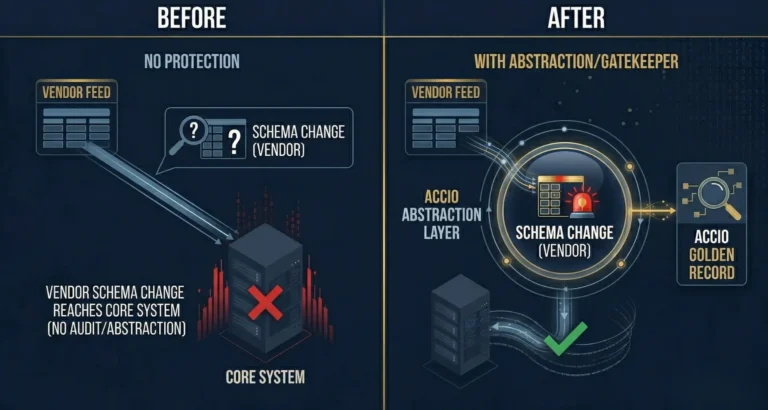
Managing multiple vendors during upgrades can be complex. For example, a change in a custodian’s data feed disrupted both a legacy system and a new analytics platform. The firm mitigated this by establishing clear vendor protocols, maintaining detailed dependency documentation, and negotiating service level agreements that required advance notifications of changes. They also implemented redundant data sources to safeguard against feed disruptions.
Regulatory Compliance During Transitions
Compliance must remain a priority throughout modernization. One regional broker-dealer worried that new risk monitoring tools might create audit trail gaps. To address this, the compliance team mapped all regulatory requirements before implementation. Parallel reporting systems generated both legacy and new formats during the transition, with detailed logs of system changes ensuring audit readiness.
Budget Management and ROI Tracking
Incremental upgrades require strict budget oversight to avoid cost overruns. For instance, one firm faced unexpected integration costs that exceeded initial estimates. Successful strategies included setting clear project boundaries, prioritizing features with immediate ROI potential, negotiating fixed-price contracts for specific deliverables, and conducting regular ROI assessments to ensure continued value from investments.
The takeaway? Incremental modernization works best when treated as a strategic initiative rather than just a technical upgrade. With strong executive support, clear success metrics, and a phased implementation plan, firms can achieve meaningful operational improvements while keeping disruption to a minimum.
Implementation Guide for Financial Executives
This guide breaks down actionable steps for C-suite leaders aiming to achieve measurable ROI through data stack modernization. By blending strategic foresight with practical execution, these steps focus on transforming operational expenses into growth opportunities.
5-Step Modernization Roadmap
Step 1: Assess Current Infrastructure and Pain Points
Start by conducting a thorough audit of your existing systems. Pinpoint bottlenecks, such as batch processing delays or manual reconciliations, that hinder performance. Quantify the impact of these issues in terms of staff hours consumed, operational costs, and missed revenue opportunities.
Document your data flows, system dependencies, and integration points. This detailed inventory serves as your baseline for tracking improvements and helps determine which systems should be upgraded versus replaced.
Step 2: Define Clear ROI Targets and Success Metrics
Before diving into upgrades, set specific, measurable goals. These could include reducing processing times, improving operational efficiency, lowering error rates, or enhancing client satisfaction. Establish realistic timelines – many successful incremental upgrades show results within 3 to 6 months.
Don’t just focus on cost savings. Factor in benefits like faster decision-making, stronger risk management, and improved client service, which contribute to long-term competitiveness.
Step 3: Identify High-Value Modules for Phase One
Choose a starting point that balances impact and complexity. Modules like real-time transaction processing, automated reconciliations, or enhanced reporting often deliver quick wins with manageable risk.
Prioritize areas that deliver visible results for key stakeholders. For example, portfolio managers accessing real-time data or compliance teams receiving automated reports can demonstrate immediate value and build momentum for future phases.
Step 4: Plan Phased Deployment with Parallel Systems
Ensure business continuity during the transition by running new systems alongside existing ones. This parallel approach allows you to test functionality, address issues, and gradually ease user adoption.
Set clear milestones for each phase, with criteria for moving from testing to full deployment. These criteria should include performance benchmarks, user acceptance rates, and regulatory compliance checks.
Step 5: Execute with Strong Project Governance
Effective project governance is critical. Implement rigorous management practices, such as weekly progress reviews, monthly ROI evaluations, and quarterly strategic check-ins, to keep the initiative on track.
Maintain open communication between technical teams, end users, and executives. Early identification of challenges allows for quick adjustments, preventing delays and cost overruns.
For seamless execution, consider tools like Accio Quantum Core to support these strategies. Once implemented, the focus shifts to sustaining and expanding these gains.
Maintaining ROI Through Continuous Improvement
Deploying modern systems is just the beginning. Sustaining ROI requires ongoing effort and attention.
Monitor Performance Against Baseline Metrics
Regularly track performance metrics to ensure continued optimization. Monthly reviews comparing current data to your pre-modernization baseline can reveal both successes and areas needing improvement.
Use dashboards to provide real-time insights into system performance, user adoption, and business impact. These tools enable swift action on emerging issues and help uncover opportunities for further enhancement.
Leverage Analytics for Iterative Improvement
Modernized systems generate valuable data that can guide ongoing enhancements. Platforms like Accio Quantum Core offer built-in analytics to identify usage trends, performance bottlenecks, and new automation opportunities.
By analyzing system logs, user behavior, and processing patterns, you can uncover inefficiencies and refine processes. This data-driven approach ensures your investment continues delivering value over time.
Plan for Scalable Growth
Design your modernization strategy with future expansion in mind. As initial phases succeed, extend these capabilities to other business areas. Modular architectures make it easier to integrate new components with existing systems, supporting seamless growth.
Adaptability is key. Systems that can handle new data sources, regulatory changes, or analytical demands will provide ongoing advantages, ensuring your modernization efforts remain relevant in a shifting market landscape.
Maintain Executive Engagement
Ongoing executive involvement is crucial for long-term success. Regular updates and strategic reviews keep leadership aligned with the modernization effort, helping to overcome resistance, secure resources, and maintain focus on business outcomes.
Schedule quarterly reviews to connect progress with broader strategic goals. This alignment ensures that your evolving data stack continues to support business growth and strengthens your competitive position as market demands evolve.
FAQs
How does a modular approach to modernizing your data stack reduce risks and costs compared to replacing the entire system?
A modular approach to modernizing your data stack offers a practical way to manage risks and control costs. Instead of diving into a full-scale system overhaul, this method focuses on gradual, targeted upgrades. It’s about addressing specific pain points, seamlessly integrating new tools, and keeping day-to-day operations running smoothly.
By tackling upgrades in stages, financial firms can avoid extended downtime, make better use of their budgets, and respond to new challenges without disrupting their entire infrastructure. This step-by-step strategy ensures critical systems stay operational while delivering clear benefits like improved efficiency and the flexibility to adapt.
What are the main advantages of using APIs and microservices to modernize a financial firm’s data infrastructure?
APIs and microservices play a key role in modernizing a financial firm’s data infrastructure. They allow for targeted upgrades, meaning firms can improve specific parts of their systems without overhauling everything at once. This approach minimizes both the financial burden and operational risks tied to replacing entire systems.
These technologies also bring scalability and adaptability into the mix. APIs enable smooth communication between different applications, while microservices support modular updates, ensuring systems remain operational while changes are made. Together, they help firms respond quickly to evolving business demands, integrate new tools effortlessly, and maintain strong system performance – all while staying competitive in a fast-paced industry.
What are the best ways for financial firms to measure ROI from incremental data stack upgrades, and which metrics should they prioritize?
Financial firms can gauge the return on investment (ROI) from incremental upgrades to their data stack by zeroing in on metrics that capture both cost savings and business value. Start with cost reductions, such as lower expenses for infrastructure, licensing, and support. Then, consider performance gains, including faster system speeds and improved reliability, which directly impact operations. Don’t overlook revenue growth, often linked to quicker time-to-market and enhanced customer experiences.
Another critical area to monitor is staff productivity. Streamlined workflows and tools that cut down on manual tasks can free up teams to focus on higher-value work. By keeping a close eye on these metrics, financial firms can clearly assess the benefits of modernization while ensuring risks are managed and day-to-day operations remain smooth.
Related Blog Posts
- How to move to modern systems while managaging risk – Implementation Guide
- The Hidden Danger of Data Silos: Why a Fragmented View Is Your Biggest Enterprise Risk
- The Silent Killer of Innovation: Calculating the True TCO of Your Legacy Data Infrastructure
- Escaping the Monolith: The Strategic Flaw of Costly, Inflexible Financial Systems
- Why Every Financial Data Problem Is an Ingestion Problem
- The Top 10 Risks of Legacy Systems